By Soheil Shivarani, Real Estate Broker | Updated September 30, 2026 Ontario’s...

Buying FAQs
The minimum down payment in Ontario depends on the purchase price. Homes under $500,000 require at least 5% down payment, while higher-priced homes may require more.
Vaughan is one of the fastest-growing cities in the GTA with strong infrastructure, schools, transit, and long-term real estate demand.
Popular areas include:
- Maple
- Kleinburg
- Woodbridge
- Vellore Village
- Patterson
- Vaughan Metropolitan Centre
Each area offers different property types and lifestyles.
Yes. First-time buyers may qualify for land transfer tax rebates and various government programs depending on eligibility.
Closing costs may include:
- land transfer tax,
- legal fees,
- title insurance,
- adjustments,
- mortgage costs,
- and moving expenses.
Selling FAQs
Home values depend on recent comparable sales, market conditions, location, upgrades, and property condition.
Spring and fall are traditionally active markets, but the best timing depends on inventory levels and buyer demand.
Minor upgrades and cosmetic improvements can often increase buyer interest and improve sale price.
This depends on:
- pricing,
- property condition,
- location,
- and market conditions.
Well-priced homes in desirable neighborhoods may sell quickly.
Kitchen upgrades, bathroom renovations, curb appeal, finished basements, and updated flooring are common value boosters.
Condo FAQs
Condos can offer lower maintenance and strong rental demand, especially near transit and growing urban areas.
Maintenance fees typically cover building upkeep, amenities, insurance, and common area expenses.
Buyers should review:
- reserve funds,
- lawsuits,
- maintenance fee history,
- special assessments,
- and condo rules.
Ontario Tax & Government Incentives (High Search Volume)
The Ontario government introduced a temporary expansion removing the full 13% HST on eligible new construction homes valued up to $1 million, offering a maximum rebate of $130,000. For properties priced between $1 million and $1.5 million, the flat $130,000 relief applies. It phases out completely for homes above $1.85 million. To qualify, your Agreement of Purchase and Sale must be signed between April 1, 2026, and March 31, 2027
Yes, unlike previous programs restricted solely to primary residences, the 2026 expansion includes individual investors. The property must be utilized as a long-term residential rental unit to maintain eligibility.
Yes, you can purchase a home with a 5% minimum down payment in Ontario for properties priced at $500,000 or less. For homes between $500,000 and $999,999, you need 5% on the first $500k and 10% on the portion above that amount. Properties over $1 million require a flat 20% down payment.
Investor FAQs
Pre-construction properties may offer appreciation potential, deposit structures, and modern amenities, but buyers should understand timelines and risks.
An assignment sale occurs when a buyer sells their rights to a pre-construction property before final closing.
Areas near transit, new developments, and infrastructure growth often attract investor interest.
Newcomers & Out-of-Region Buyers
- Permanent Residents (PR) hold the same purchasing rights as Canadian citizens. Non-residents and temporary visa holders are subject to the Prohibition on the Purchase of Residential Property by Non-Canadians Act, which features strict exemptions for specific work-permit holders meeting minimal residency and tax-filing requirements.
Buyers purchasing a home in the city of Toronto must pay both the Ontario Provincial Land Transfer Tax (PLTT) and the Toronto Municipal Land Transfer Tax (MLTT). Properties bought in Vaughan or Richmond Hill are only subject to the provincial tax. Eligible first-time buyers receive rebates to offset these amounts.
In Canada, the minimum down payment is 5% for the first $500,000 of the purchase price, and 10% for the portion between $500,000 and $999,999. For properties priced at $1 million or higher, a minimum down payment of 20% is legally required.
In Ontario, hiring a real estate agent to buy a home is typically free for the buyer. The buyer’s agent commission is almost always paid by the seller out of the final sale proceeds. As a buyer, you get full representation, market analysis, and negotiation support at no out-of-pocket cost to you.
- Beyond your down payment, you should budget 1.5% to 4% of the purchase price for closing costs. These include real estate lawyer fees ($1,500–$2,500), home inspection fees ($400–$700), title insurance, and Land Transfer Taxes. Fortunately, first-time buyers in the GTA qualify for provincial and municipal land transfer tax rebates to offset these amounts.
Yes, securing a mortgage pre-approval is a crucial first step. It locks in your interest rate for up to 120 days and outlines your exact purchasing budget. Sellers in competitive markets like Toronto, Vaughan, and Richmond Hill prioritize offers from buyers who hold a valid pre-approval letter.
Transactional Costs & Financial Pitfalls
- The deposit is upfront liquid cash required within 24 hours of an offer being accepted to secure the deal. The down payment is the total equity cash contribution brought to the table on closing day. Your initial deposit forms a component of that final down payment.
- Beyond the down payment, buyers must prepare for cash outlays on closing day. Key unexpected expenses include:
- Land Transfer Taxes (LTT): Both provincial and municipal taxes apply if buying inside Toronto.
- CMHC Insurance Provincial Tax: If your down payment is under 20%, the mortgage insurance premium is rolled into the loan, but the 8% provincial sales tax on that premium must be paid directly in cash on closing.
- Legal Fees & Disbursements: Professional real estate lawyer fees, title insurance, and registration costs.
A Status Certificate is a legal document detailing the financial health of the condominium corporation. Reviewing it reveals critical red flags such as low reserve funds, pending legal disputes, historical special assessments, or imminent monthly maintenance fee hikes.
Expert Home Buying & Selling Advice
The Real Closing Costs
Many first-time home buyers focus on saving for the down payment. But when it comes time to actually close on a property, they often discover there are several additional costs that were not fully accounted for.
How to Buy Your First Home
If you’re a first-time buyer in areas like Toronto, Vaughan, Richmond Hill, or the GTA, this will give you a clear roadmap so you can avoid common mistakes and move forward with confidence.
Can you Really buy with 5% Down?
One of the most common questions I get from first-time buyers is this: Can you actually buy your first home in Ontario with just 5% down?
Get more tools to help you sell your home
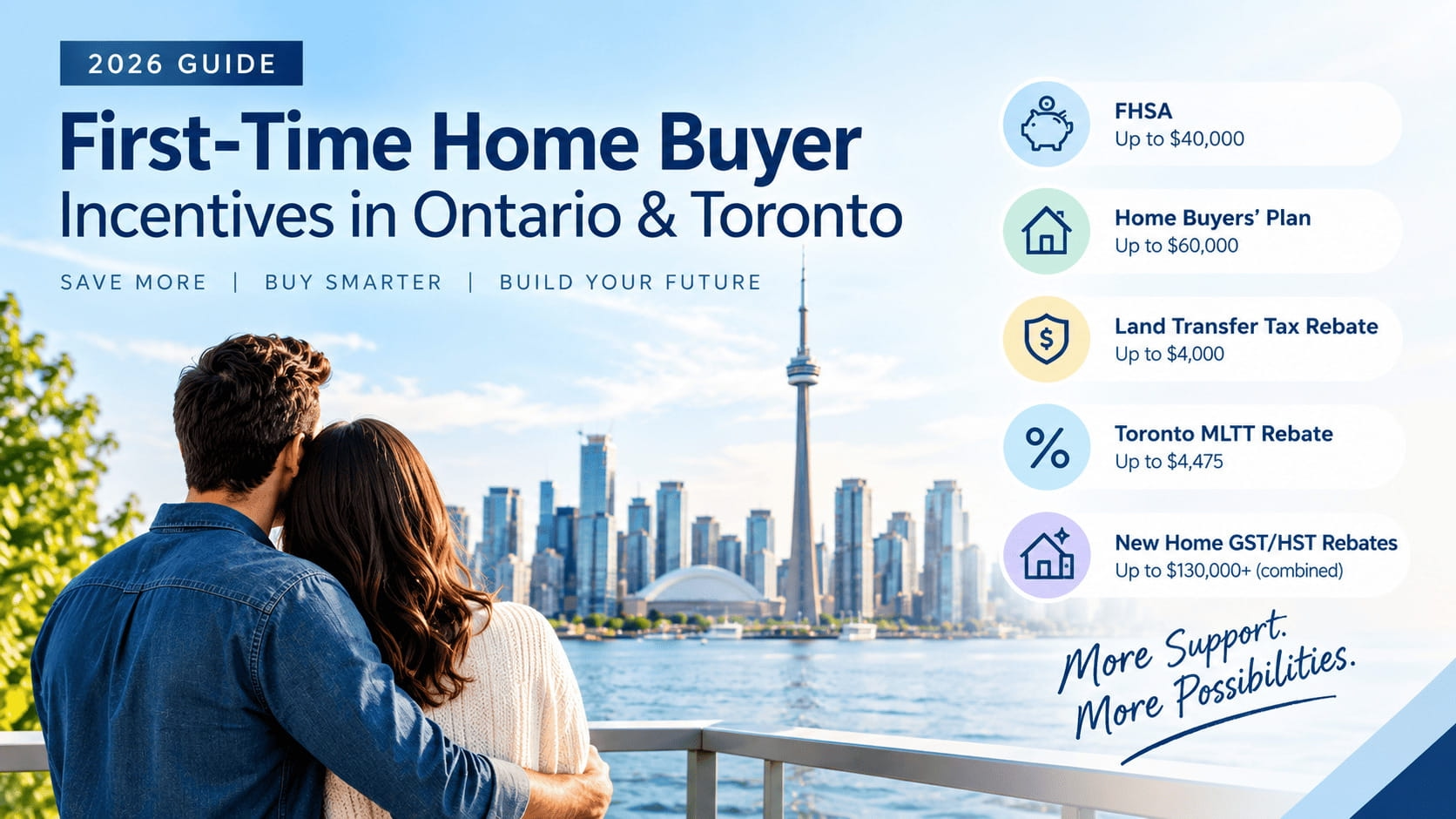
Buying your first home in Toronto or the GTA can feel overwhelming. Between the down payment,...
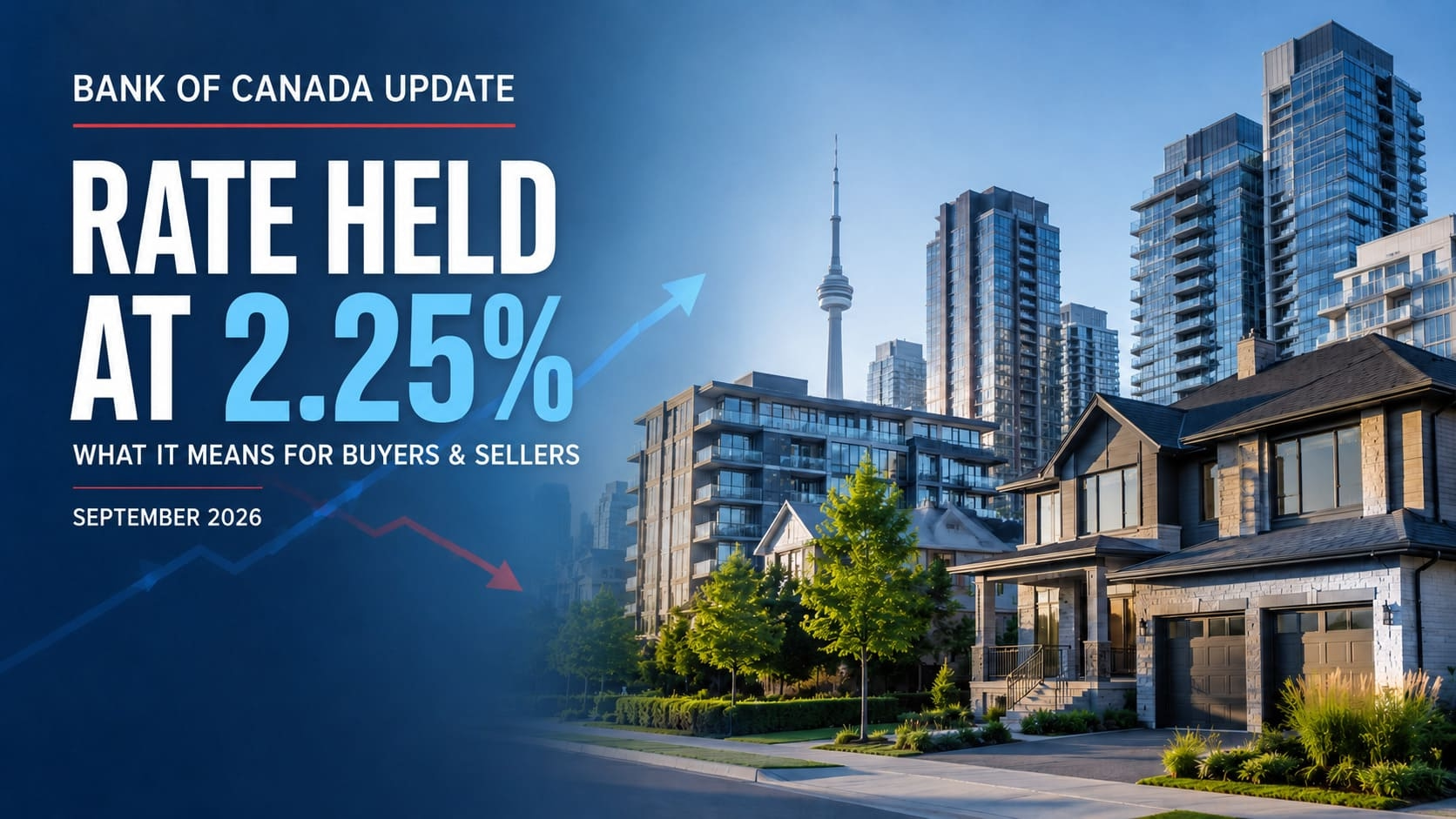
The Bank of Canada announced today that it is maintaining its target for the overnight rate at...
Thinking About Financing a Multiplex in Toronto or York Region? Buying a multiplex can be an...